
Latest from the team
We Open-Sourced the Tool We Use to Track AI-Generated Code
Git says who committed a line, not who actually wrote it. We built Autter to track AI-generated code at the line level, and today the CLI is open source.
Read the post

Write-ups from the team building your control layer: what we ship, what breaks, and what we learn reviewing other people's code.
Latest from the team
Git says who committed a line, not who actually wrote it. We built Autter to track AI-generated code at the line level, and today the CLI is open source.
Read the post
Our dashboards said delivered. Inboxes said nothing. Two months of quiet outbound later, we built Hedwig and email-checker and open sourced both.

Every code review tool in the market posts comments. We block the merge. That one design decision changed how the entire product got built, what we sell, who we sell it to, and what the moat looks like.
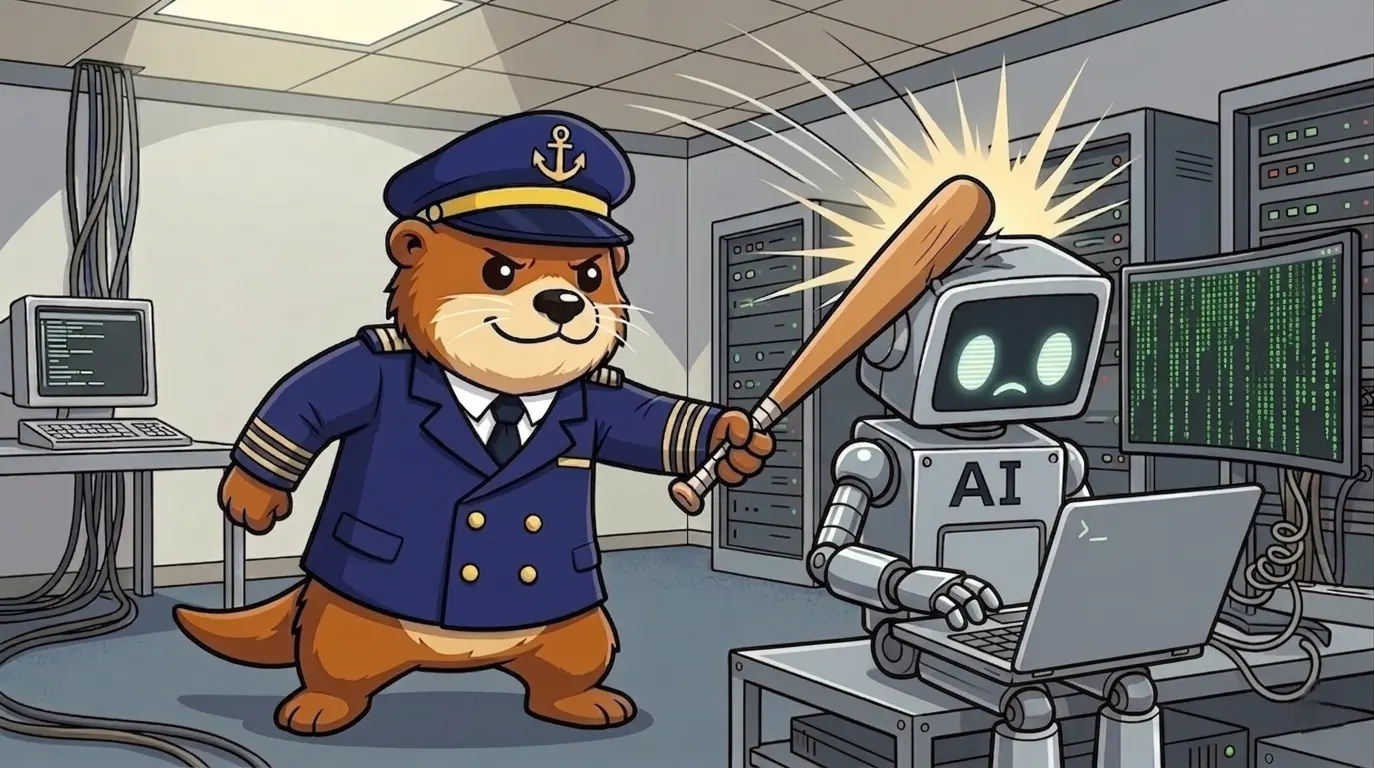
Every AI code generation company is shipping a review product. The author and the reviewer are the same engine with a different prompt. That is not a code review.

Launching a startup feels less like firing a rocket and more like pushing a paper boat into a river and then sprinting alongside the bank hoping it doesn't sink.
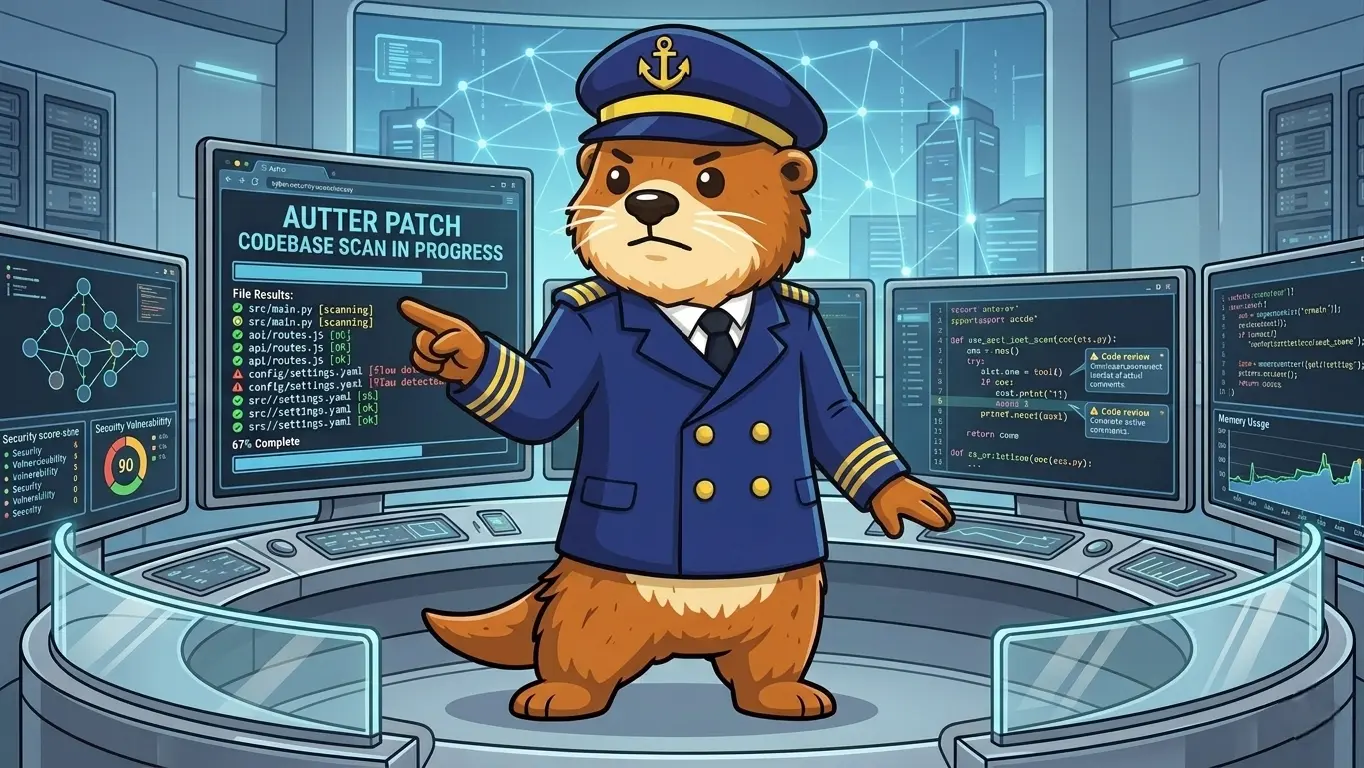
Over the past few weeks, we ran manual codebase scans for 10 early-stage startups. Nine out of ten had at least one high-severity finding.

Naming a startup is probably not the most important thing you'll do. But get it wrong and you'll pay for it quietly, in every intro, every cold email, every 'wait, how do you spell that?' on a call.

How engineering teams use autter to detect subtle issues in AI-authored pull requests that pass CI but fail in production.

How autter eliminates timezone bottlenecks and ensures consistent review quality across distributed teams working in different time zones.
How autter's merge gate catches security vulnerabilities that AI coding assistants introduce — before they reach your deployment pipeline.

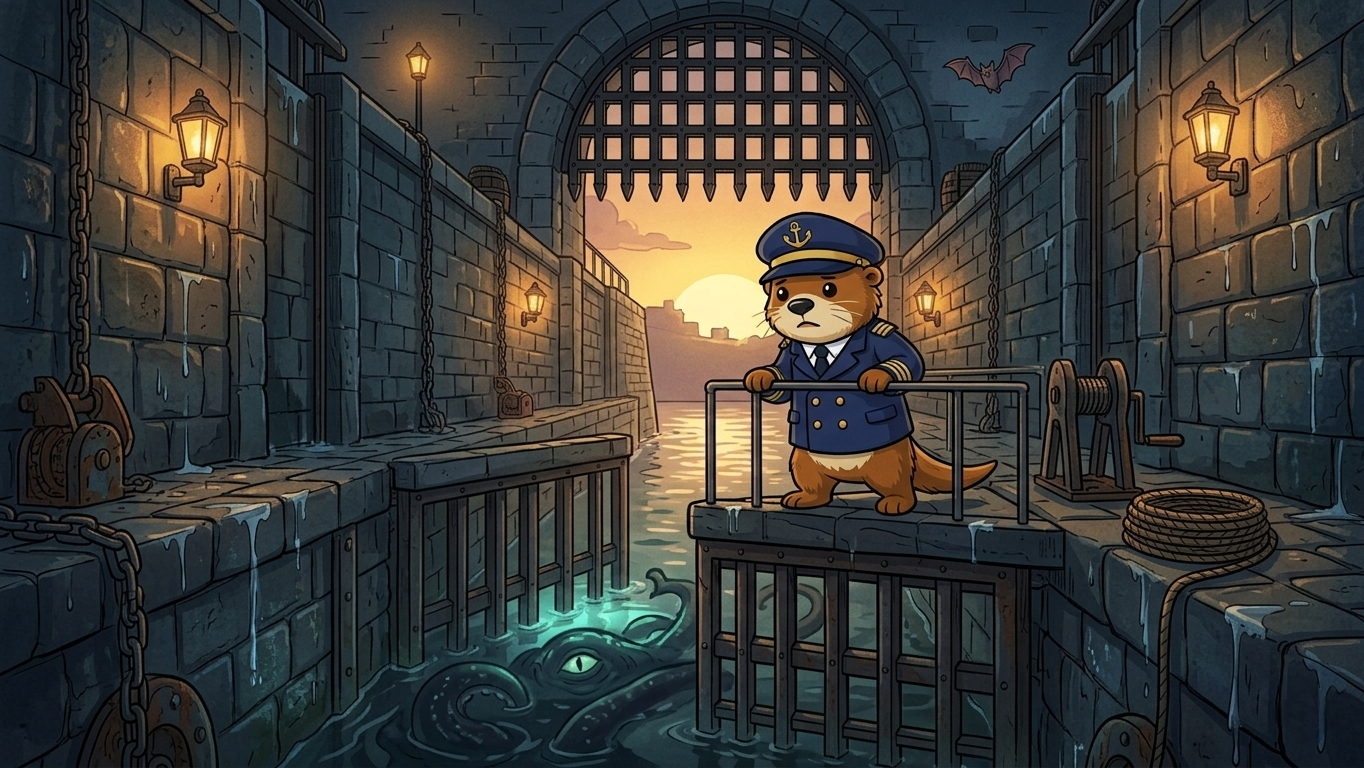
Shipgate made sense on paper, but it never made people feel anything. Then I drew an otter at a harbour gate, and the product (and the name) snapped into focus.

How autter automatically enforces architectural boundaries, dependency rules, and design patterns — so your ADRs don't become wishful thinking.

Use autter's analytics to track how AI-generated code impacts your team's quality metrics, review velocity, and production stability.

AI now writes a meaningful share of your pull requests. The code looks right. The tests pass. And yet something is off in ways that only show up in production. autter is a merge gate built for this new reality.

How autter automates the repetitive parts of code review so your senior engineers can focus on architecture, mentoring, and the decisions that actually require human judgement.

How autter helps new team members learn your codebase conventions, patterns, and architecture through real-time feedback on every pull request.

How autter provides automated, tamper-evident audit trails for every pull request — meeting SOC 2, ISO 27001, and HIPAA requirements for change management.

How autter handles the unique challenges of monorepo code review — cross-package impact analysis, ownership routing, and consistent standards across hundreds of packages.